Corn
-
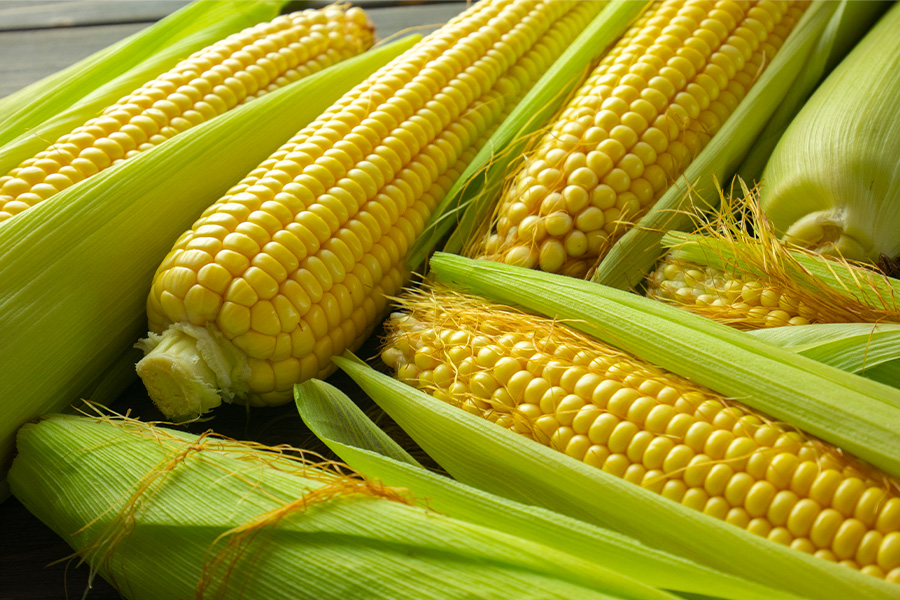
Sweet corn is not difficult to grow and, by following the cultural guidelines provided in this publication, you too can enjoy this sweet delicacy.
|
-
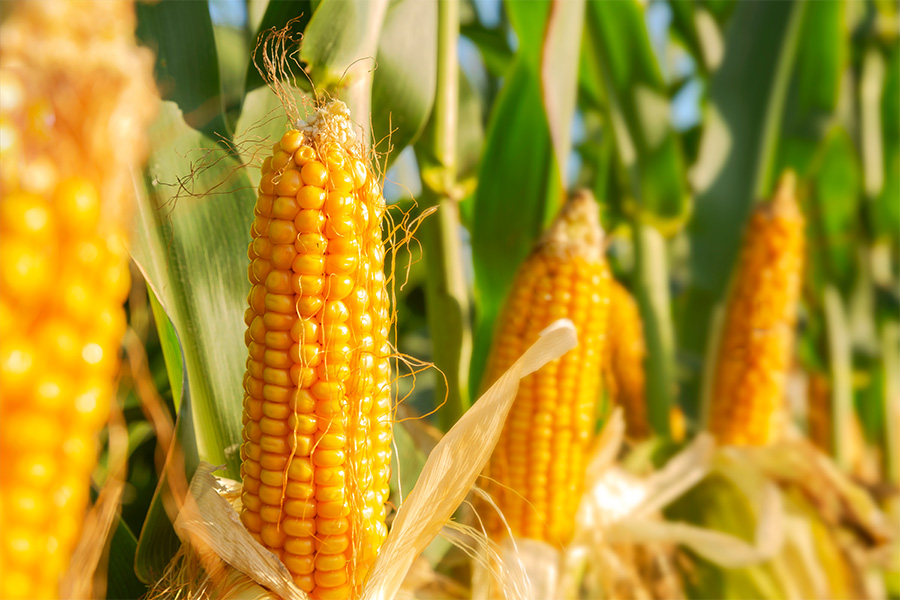
Aflatoxin is a naturally occurring toxin produced by the fungus Aspergillus flavus. The fungus can be recognized by a gray-green or yellow-green mold growing on corn kernels in the field or in storage. Plant stress due to drought, heat or insect damage during fungus growth usually increases aflatoxin levels. Aflatoxin contamination will reduce feeding value and hinder sales. Because it is extremely poisonous to warm-blooded animals even at relatively low levels, grain handling facilities often check for the presence of the toxin before purchasing corn.
|
-

AP 130-2-06
2024 Corn, Soybean, and Wheat Outlook
1. Tighter margins are expected in 2024 for corn, soybeans, and wheat as commodity prices are forecast to be lower and input prices are expected to be flat.
2. Growing demand for sustainable biodiesel fuels will slow soybean price declines relative to the decline in corn prices.
3. Expect more acres planted to soybeans and fewer acres planted to corn and wheat.|
-

AP 130-1-06
2023 Corn, Soybean, and Wheat Outlook
1. The Russia-Ukraine war and Mexico’s plan to ban genetically modified corn from the United States will increase uncertainty regarding corn prices. 2. The United States and the world will continue to have a tight wheat supply in 2023, supporting higher than average wheat prices. 3. The low ending stocks of U.S. soybeans indicate the need for more soybeans. Ending stocks might improve in 2023, leading to softer soybean prices.
|
-
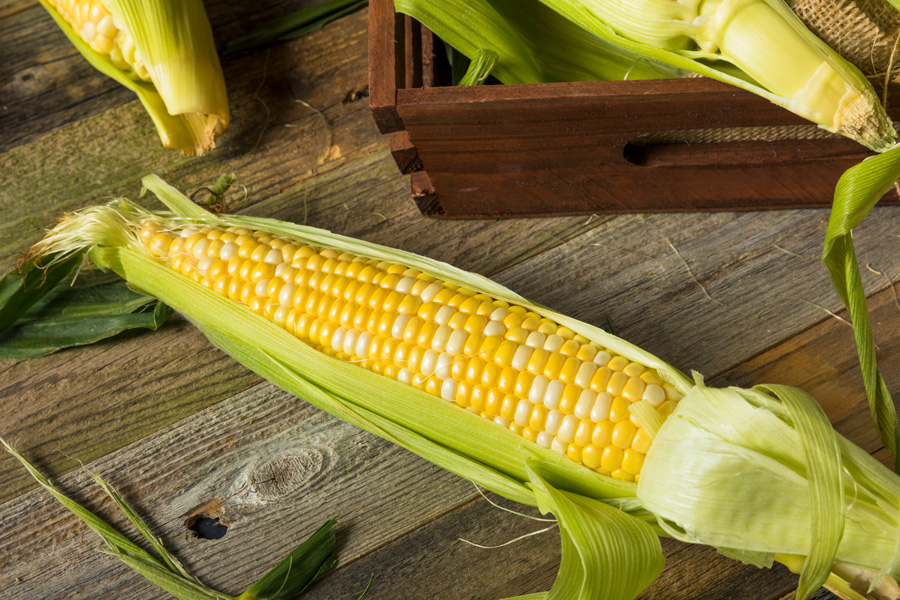
Summarizes shipper sweet corn production in southern Georgia.
|
-

To increase productivity, it’s important that growers select sweet corn cultivars adapted to particular growing conditions. The goal of this report is to provide growers, crop advisers, county educators, Extension agents, and specialists with a broad evaluation of different commercial sweet corn hybrids and their performance in different locations of the Southeast U.S.
|
-

This research report presents the results of the 2019 corn, sorghum and summer annual forage performance trials. Trials were conducted at seven locations throughout Georgia, depending on the crop. These included Tifton, Plains, and Midville in the Coastal Plain region, Athens and Griffin in the Piedmont region, Calhoun in the Limestone Valley region, and Blairsville in the Mountain region. Hybrids used for silage were evaluated at Tifton, Athens, Calhoun, and Blairsville.
|
-

AP 101-10
2018 Georgia Corn Performance Tests
This research report presents the results of the 2018 corn performance trials. Corn performance trials were conducted at six locations throughout Georgia (see map inside back cover) in 2018. Short-season and mid-season hybrids were planted at Tifton, Plains, and Midville in the Coastal Plain region, at Athens in the Piedmont region, at Calhoun in the Limestone Valley region, and at Blairsville in the Mountain region. Hybrids used for silage were evaluated at Tifton, Athens, Calhoun, and Blairsville.
|
-

AP 101-9
Georgia 2017 Corn Performance Tests
In this research report, the results of the 2017 corn performance trials are presented. Short-season and mid-season hybrids were planted at Tifton, Plains, and Midville in the Coastal Plain region, at Griffin in the Piedmont region, at Calhoun in the Limestone Valley region, and at Blairsville in the Mountain region. Hybrids used for silage were evaluated at Tifton, Griffin, Calhoun, and Blairsville.
|