Dairy
-

Sprouted grains are usually considered unsuitable for milling or distilling; however, they can serve as an excellent source of nutrients for cattle.
Wheat, which is commonly used for human consumption, is usually priced higher than other feedstuffs and is typically not utilized for livestock consumption. Sprouted wheat, however, is discounted heavily at the mill and may be economically feasible to incorporate into beef cattle rations.|
-

This brief management guideline provides producers with specific management tactics that may minimize the potential for short- and long-term problems. These tactics, categorized in order of early, advanced, and severe drought stages, are based on specific characteristics including water loss, forage growth, and rainfall.
|
-

The number of calves sold is a major source of income from a cow/calf operation. A high percent calf crop increases profit. Reproductive efficiency is the first factor to consider in a breeding program. A beef cow must conceive in the first 40 to 60 days of the breeding season, have a live calf unassisted, breed back to calve every 12 months, and raise a calf that is heavy enough to be profitable. To accomplish this, she must be managed correctly.
|
-

Clean water for cattle is important for animal health and production and water delivery systems require routine maintenance and monitoring.
|
-

Determining an equitable price for purchased forages is a necessary but often uncomfortable topic of discussion for feed growers and purchasers. Usually this discussion is in the context of corn silage; however, the same principles can be used in any discussion involving hay, baleage or grains. In order for an input market to be efficient, the price agreed upon by both buyers and sellers should adequately compensate the producer while still allowing the purchaser the opportunity to economically use the input.
|
-

Hot and humid environmental conditions stress the lactating dairy cow and reduce intake of the nutrients necessary to support milk yield and body maintenance. In Georgia, weather conditions are sufficiently hot and humid to reduce performance of dairy cows for five months or more each year. This publication presents methods that can be used to minimize the stress on dairy cows during hot weather and enhance production during the hot summer months.
|
-

By-product feeds come from a variety of sources, including grain processing, production of human foods and beverages, and manufacturing of fiber products. Although many of these feeds have been used for years, others are relatively new. Research has been conducted on most by-product feeds and the guidelines for their use are well documented; however, limited information is available on the feeding value or guidelines for using some by-product feeds. This publication discusses factors that should be considered when feeding by-product feeds to cattle.
|
-
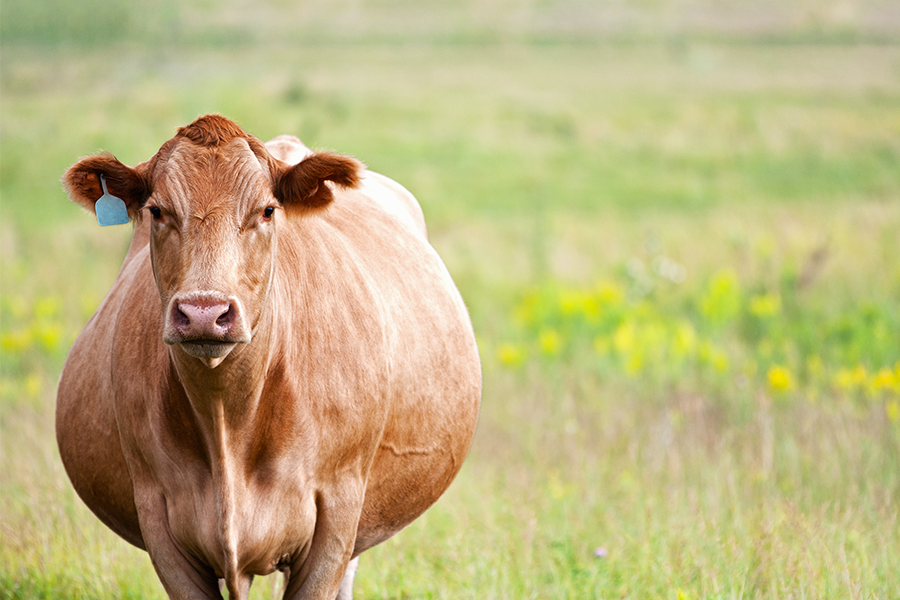
Cattle producers commonly evaluate reproductive performance by determining how many cows became pregnant during the breeding season. Although pregnancy rates are important, when the females become pregnant within the breeding season is a major component of cow-calf profitability. Cows that become pregnant early in the breeding season calve earlier in the calving season. Consequently, they have more time to recover before the next breeding season, which increases their chances of becoming pregnant and staying longer in the herd. Estrus synchronization programs have the ability of inducing estrus and can be combined with natural service to increase the percentage of cows and heifers that become pregnant early in the season. This publication describe different synchronization protocols that can be incorporated by cow-calf producers utilizing only natural service.
|
-

The Southeast U.S. is susceptible to hurricanes and tropical storms every year. Hurricane season occurs from June 1 through November 30, and these storms are normally forecast several days in advance. Tornadoes, ice storms, thunderstorms, or straight-line winds—potentially damaging winds produced by thunderstorms—are rarely forecast with enough notice to prepare other than to hopefully warn employees. Storms disrupt operations and have the potential to cause injury to people and livestock and devastate facilities and the landscape. While there is nothing that can be done to prevent the impact of a storm, producers should have an emergency plan that safeguards family, employees, livestock, and equipment. The emergency plan should also address how to safely manage the damage after a storm. Emergency plans should include one-day, three-day, and seven-day or longer responses during which power outages, access to vendors, and normal operations may be very limited. Hurricanes that occurred in 2017 and 2018 caused devastating damage in some areas that took weeks to restore power because of the extensive damage to distribution lines. This bulletin will provide information producers can use to develop an emergency preparedness plan in advance of a storm and suggestions for their potential responses following a storm. No plan will be 100% effective in all situations, but preparing will hopefully minimize damage and help speed the recovery.
|