Trees
-

This resource will help you choose small trees and shrubs that can provide privacy from your neighbors, separation from a road with heavy traffic or a screen to hide unattractive areas.
|
-

C 989
Tree Planting Details
This publication contains information about planting trees and shrubs, and includes AutoCAD files, .jpg images and .pdf files with instructions and images.
|
-
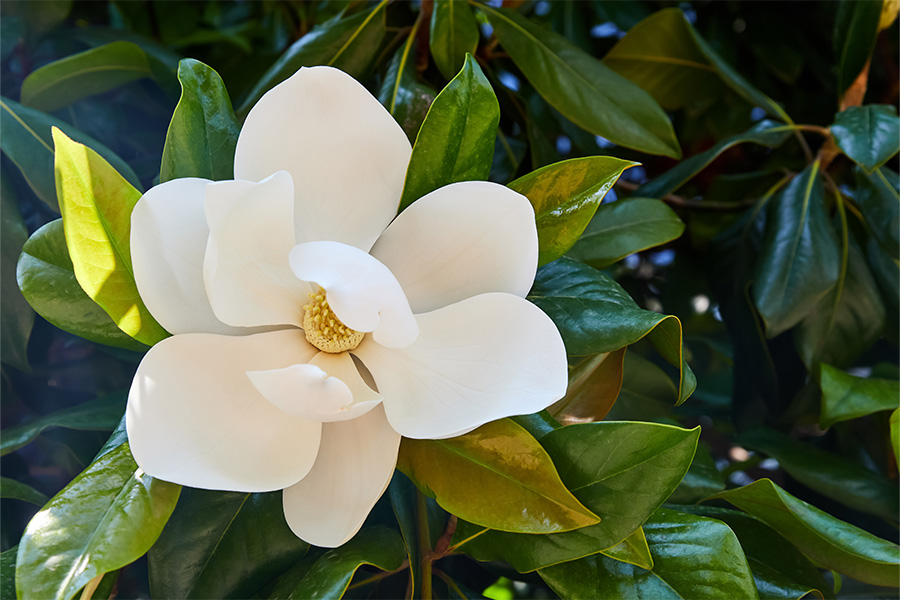
Southern magnolia is an aristocratic tree. It grows well throughout Georgia, is widely adaptable to a variety of soils and has few pest problems. With glossy evergreen foliage and large white fragrant blossoms, it truly is one of the most handsome and durable native trees for our Southern landscapes.
|
-

C 956
Junipers
This resource provides information about variety selection, characteristics, required care, and disease and pest control for juniper plants.
|
-

C 944
Crape Myrtle Culture
Crape myrtle is one of the most useful flowering shrubs/trees grown in Georgia. It provides abundant summer color with a minimum of maintenance.
|
-
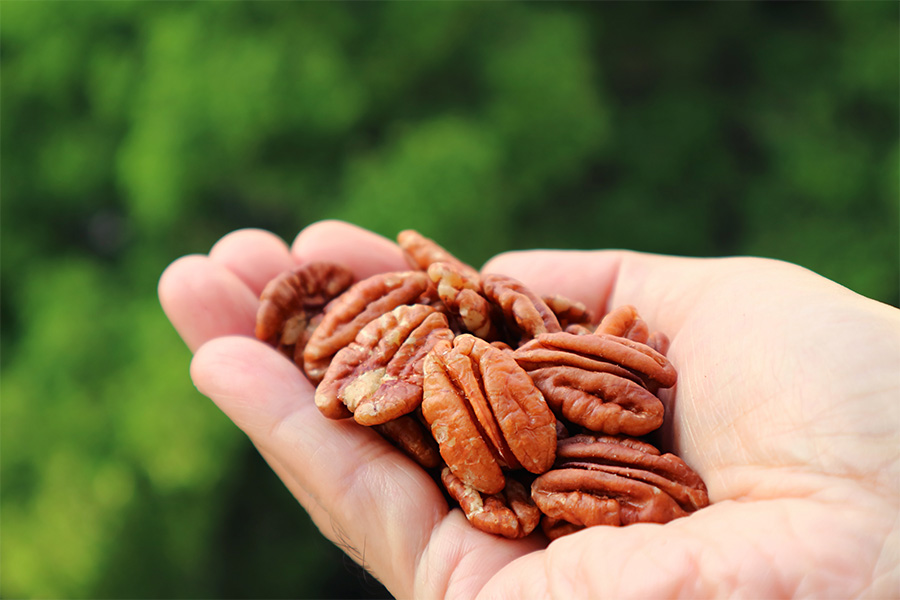
The most fundamental step in pecan production is the selection of varieties or cultivars to be planted in the orchard. Planting the wrong pecan variety can be a costly mistake, resulting in considerable expense. This publication includes descriptions and photos of pecan varieties suitable for planting in Georgia orchards.
|
-
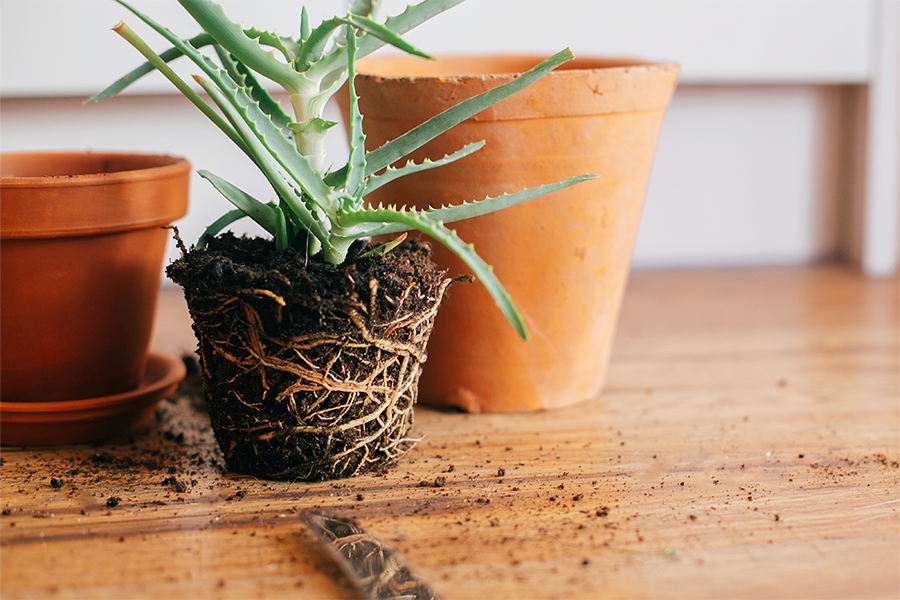
C 1240
Repotting Basics
This publication describes the reasoning behind repotting, as well as container selection, drainage, positioning the plant on an appropriate soil base, examining and attending to root issues, potential root removal and/or redistribution, backfilling, protecting, and watering the plant upon completion of repotting.
As container plants mature, their biomass increases and the roots grow outward and down to collect more water and nutrients. Most container plants tend to become root-bound and dry out quicker than their in-ground counterparts, and these conditions can cause a variety of issues, and lead to stunted growth and poor plant health. To prevent this from happening, it is important to make sure the root system is well dispersed in a healthy soil volume provided by an adequately sized container.
|
-
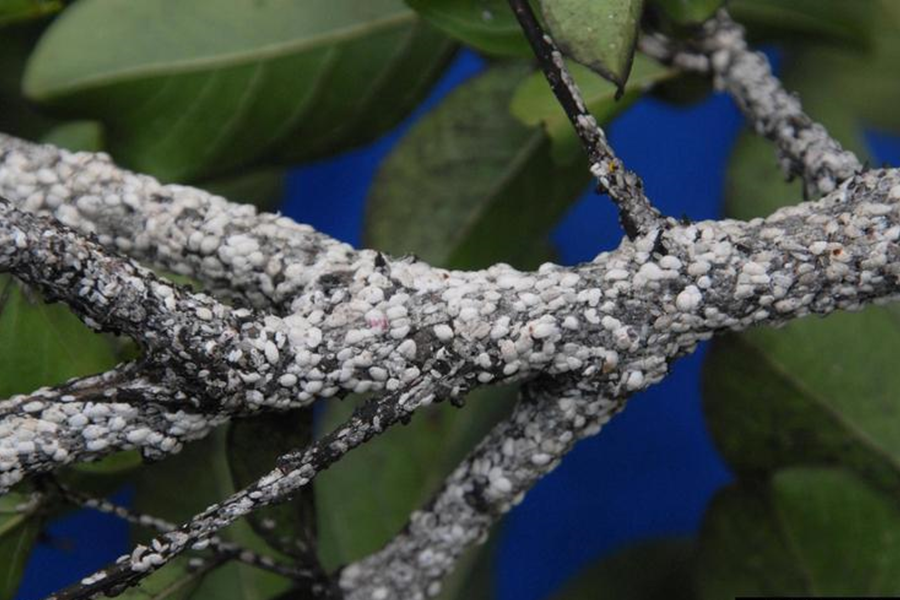
The crape myrtle bark scale (CMBS) is an emerging threat to crape myrtle (Lagerstroemia spp.) in Georgia. As the name indicates, this scale pest attacks the bark of crape myrtle, the only known scale insect that infests crape myrtle bark. A native of Asia, CMBS was first confirmed in Dallas, Texas, in 2004. Since then, the pest has gradually expanded its range to the southeastern states. In Georgia, it was first confirmed in Coweta County in 2014. In 2019, CMBS were found infesting crape myrtles in an ornamental nursery in south Georgia. They can potentially spread in zones 6 to 9.
|
-
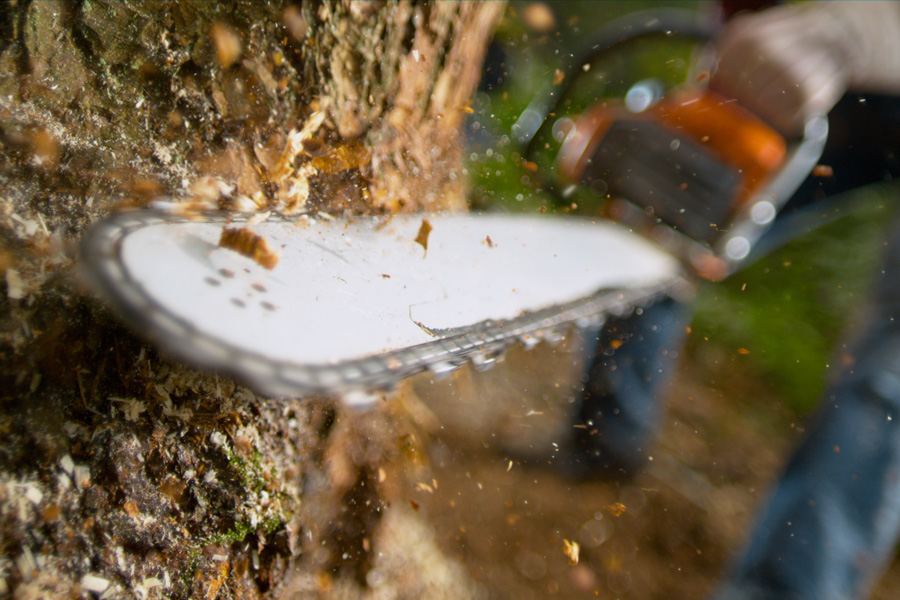
Use estos cinco pasos para el corte de un árbol de forma segura de principio a fin. Este plan funciona para arboristas profesionales y los que no lo son. Cortar árboles con una motosierra es peligroso. La combinación de herramientas eléctricas y la caída de madera crea peligros. La aplicación del Plan de Corte de Cinco Pasos ayuda a identificar y mitigar el peligro en el corte de árboles de principio a fin.
|